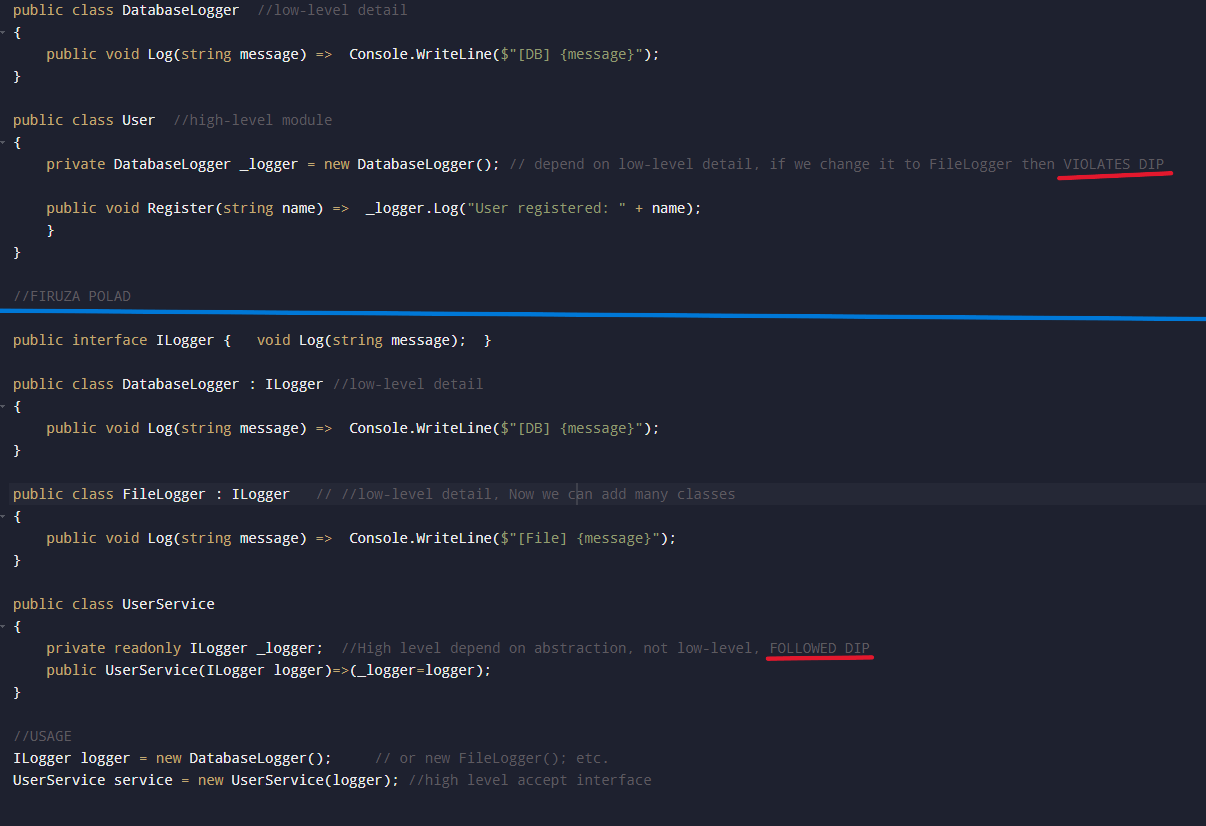
Dependency Injection & SOLID

Injection Types
- 1. Constructor Injection: Most recommended and reliable. Enforced at compile-time and keeps objects immutable.
- 2. Property Injection: Dependencies set after object creation. Useful for frameworks or circular dependencies, but carries null-reference risks.
- 3. Method Injection: Dependencies passed as parameters. Best when a dependency is only needed for a specific action.
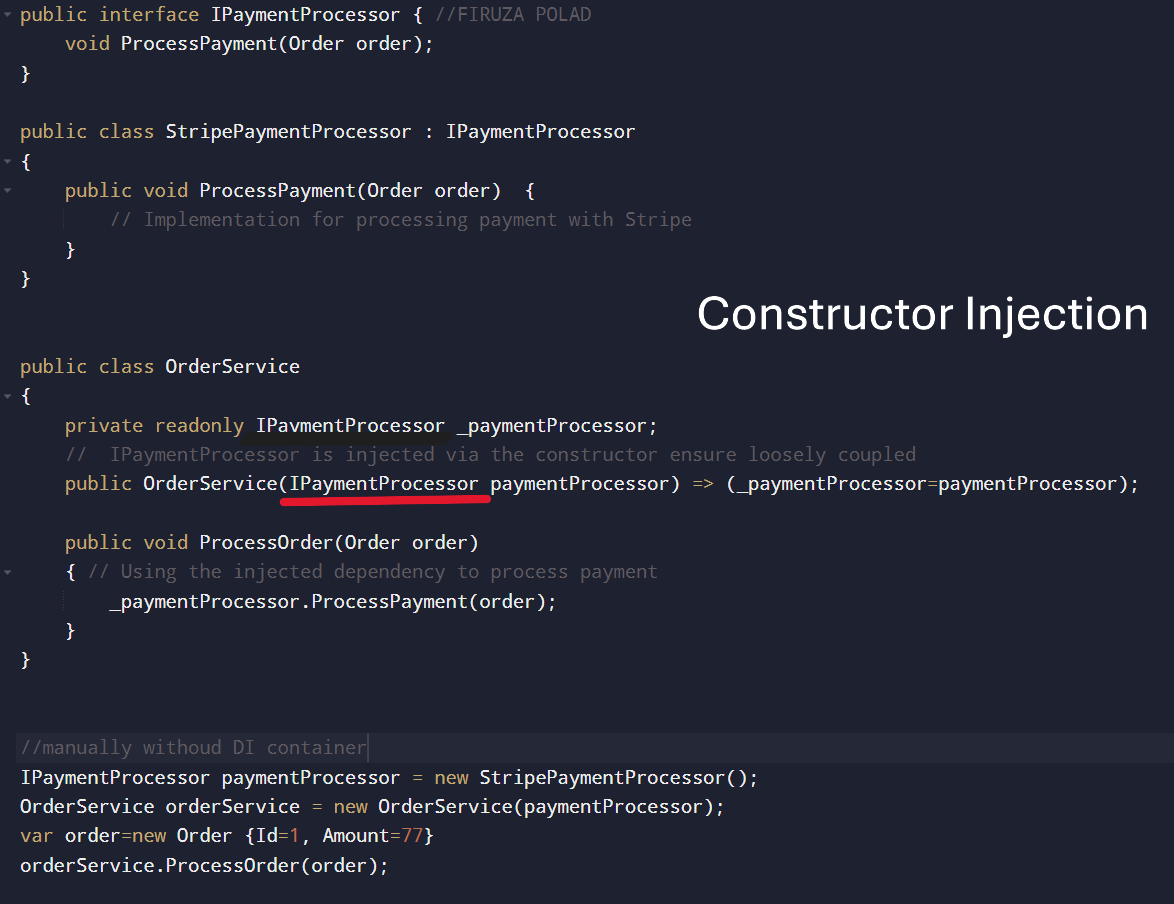
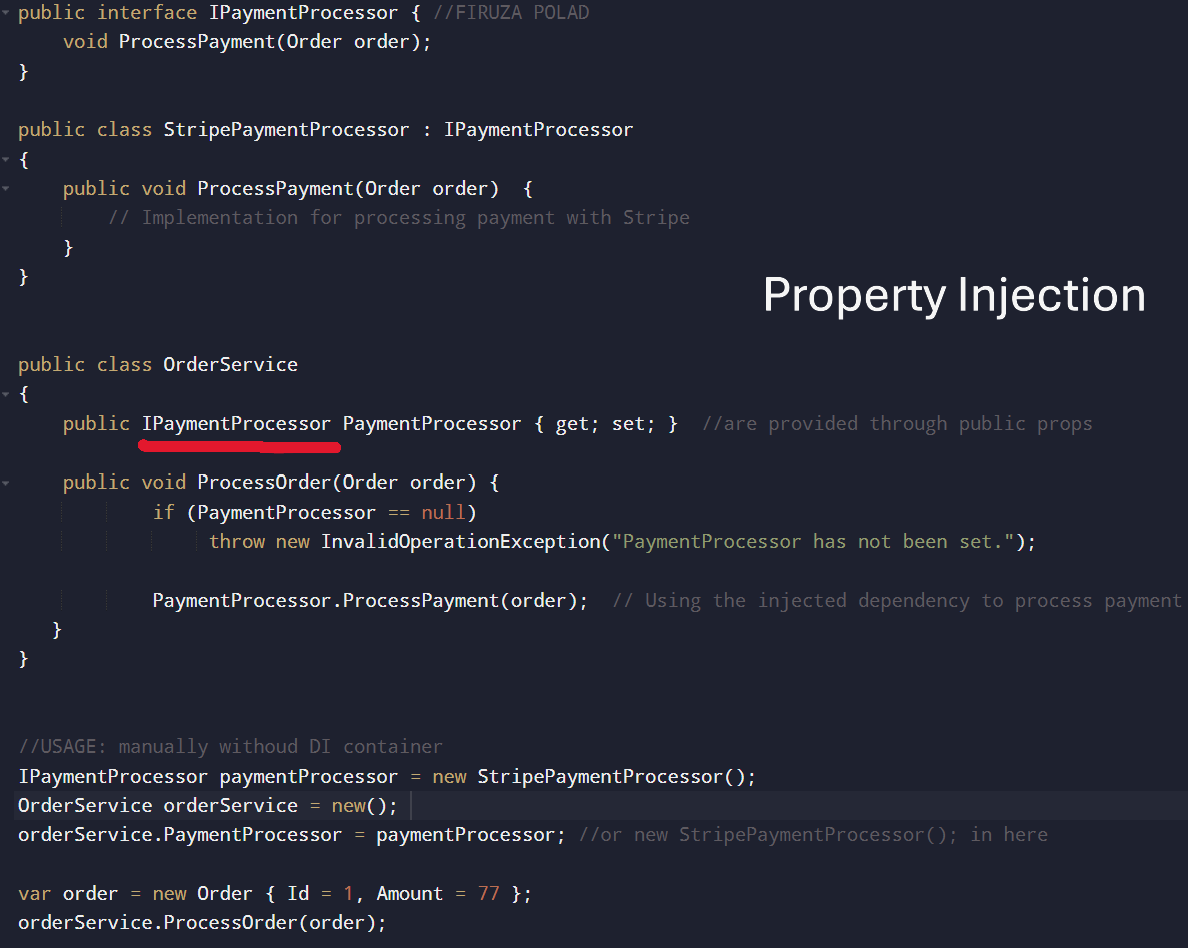
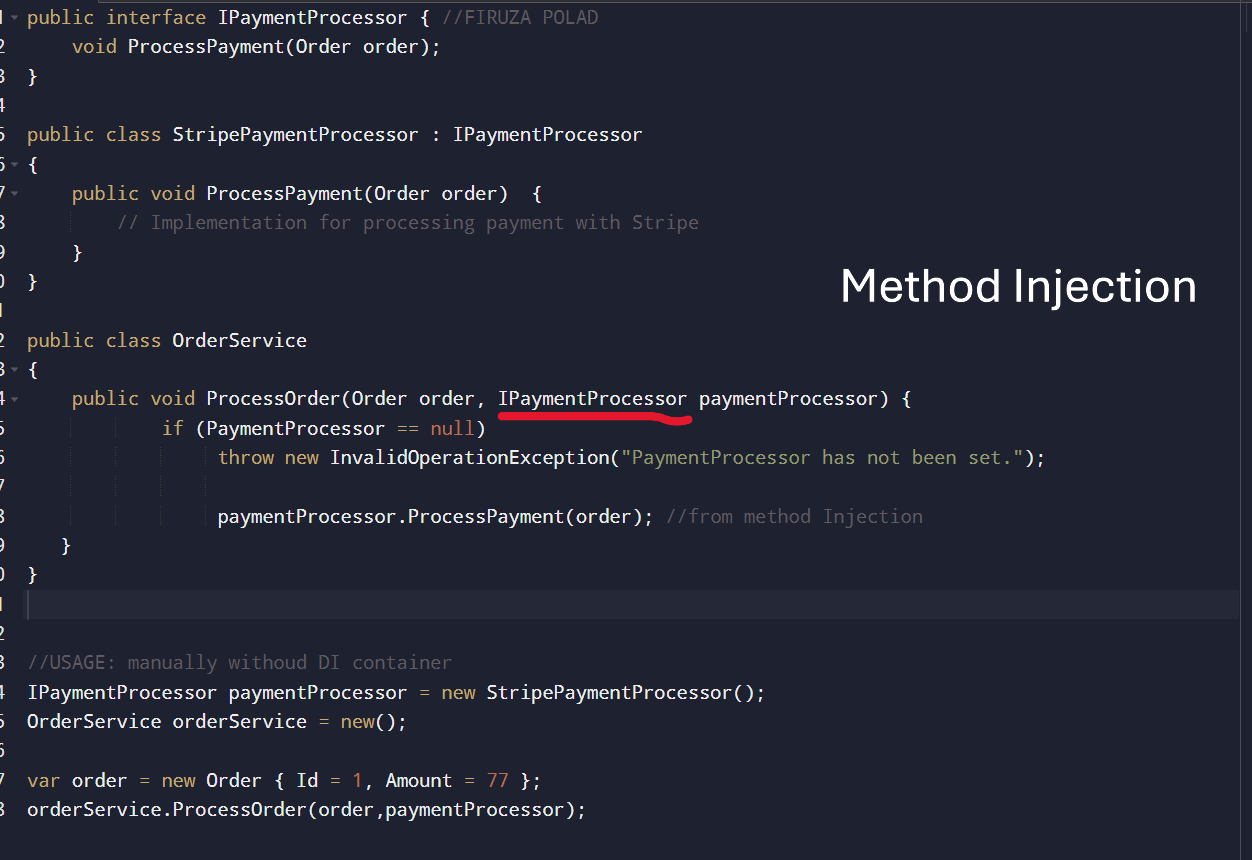
IOC & DI Containers
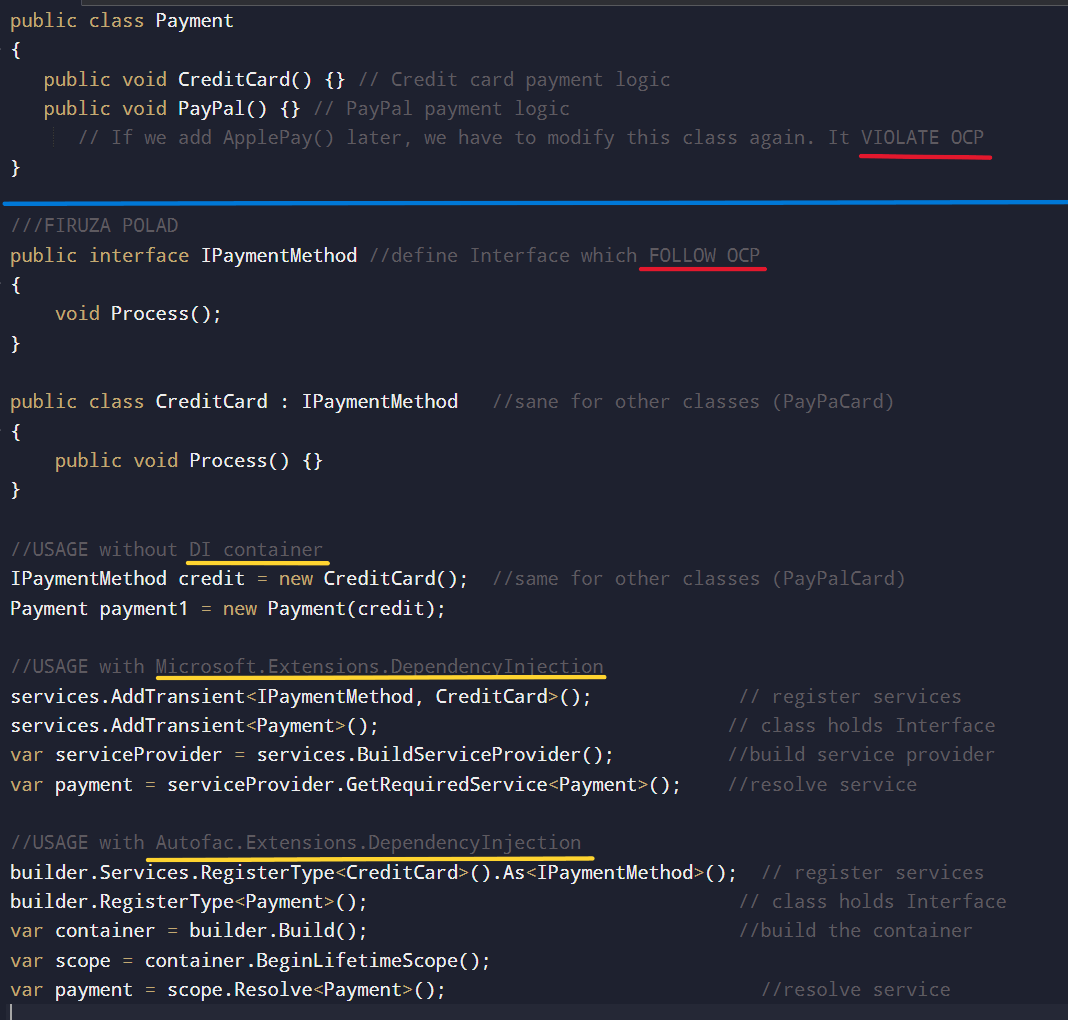
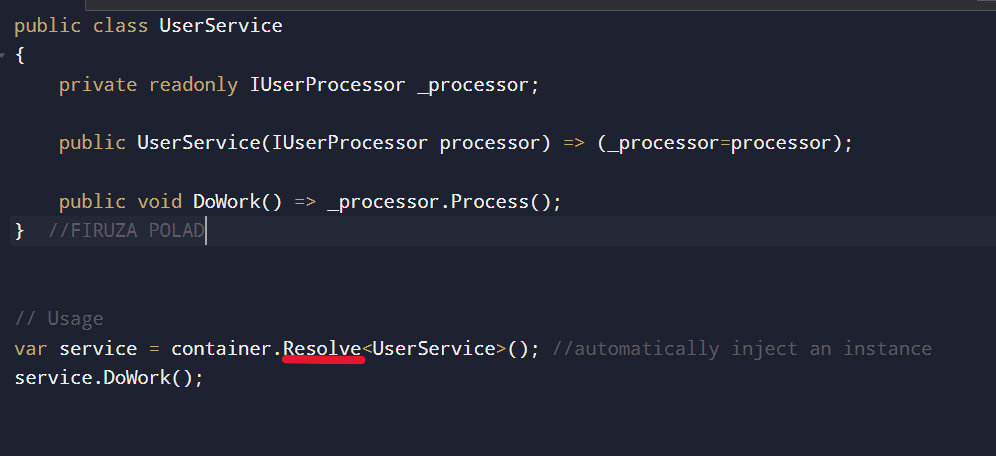
IoC Container: A tool that automates DI. Instead of the program controlling the flow, an external "Container" resolves and injects dependencies. Examples: Autofac, Unity, Ninject.
Service Lifetimes:
01. TRANSIENT
New instance created every time. Best for short-lived, lightweight operations.
02. SCOPED
One instance per HTTP request. Shared across components within that same request (e.g., DbContext).
03. SINGLETON
One instance shared throughout the entire application lifetime. Ideal for caching and configurations.
AutoFac: Advanced DI
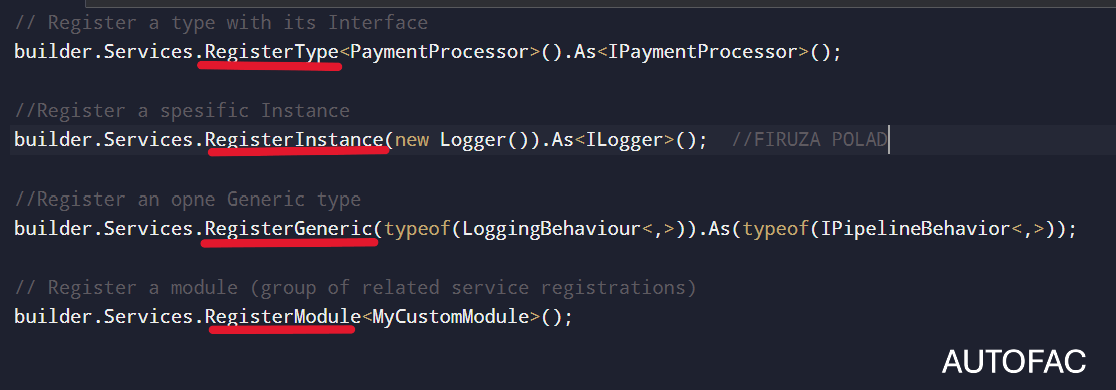
More flexible than built-in DI. Supports RegisterType<T>() for creating new instances and RegisterInstance(obj) for existing objects (Singleton behavior).

SOLID Principles
Cohesion: How related members of a class are. Goal: High Cohesion (Single Responsibility).
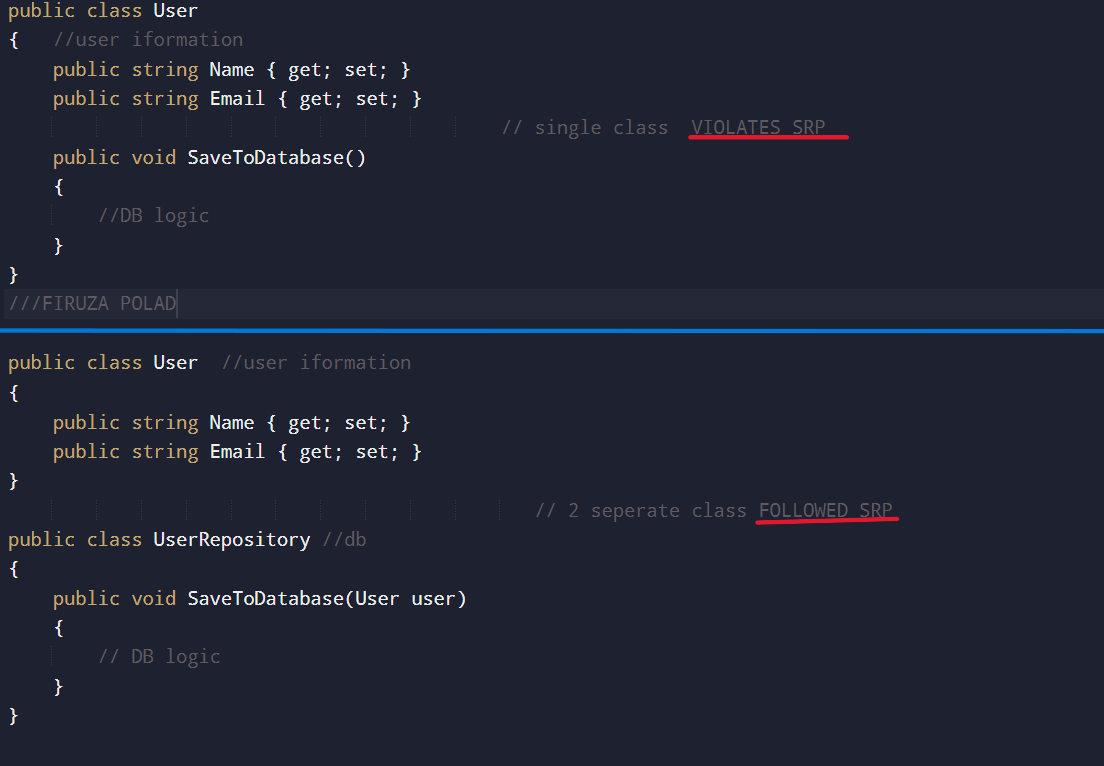
S - Single Responsibility: One reason to change. Separate User info from DB logic.
O - Open/Closed: Open for extension, closed for modification.
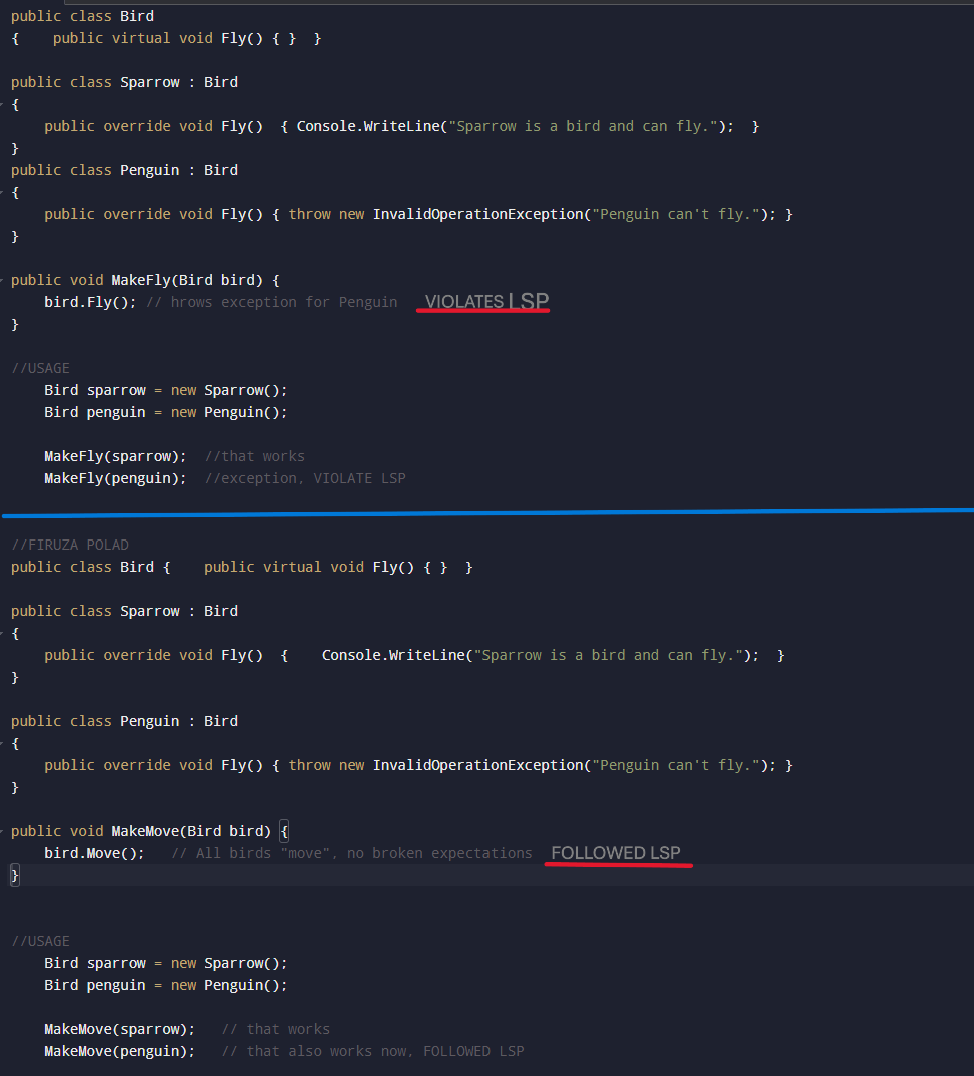
L - Liskov Substitution: Subtypes must be substitutable for their base types (The Bird/Penguin problem).
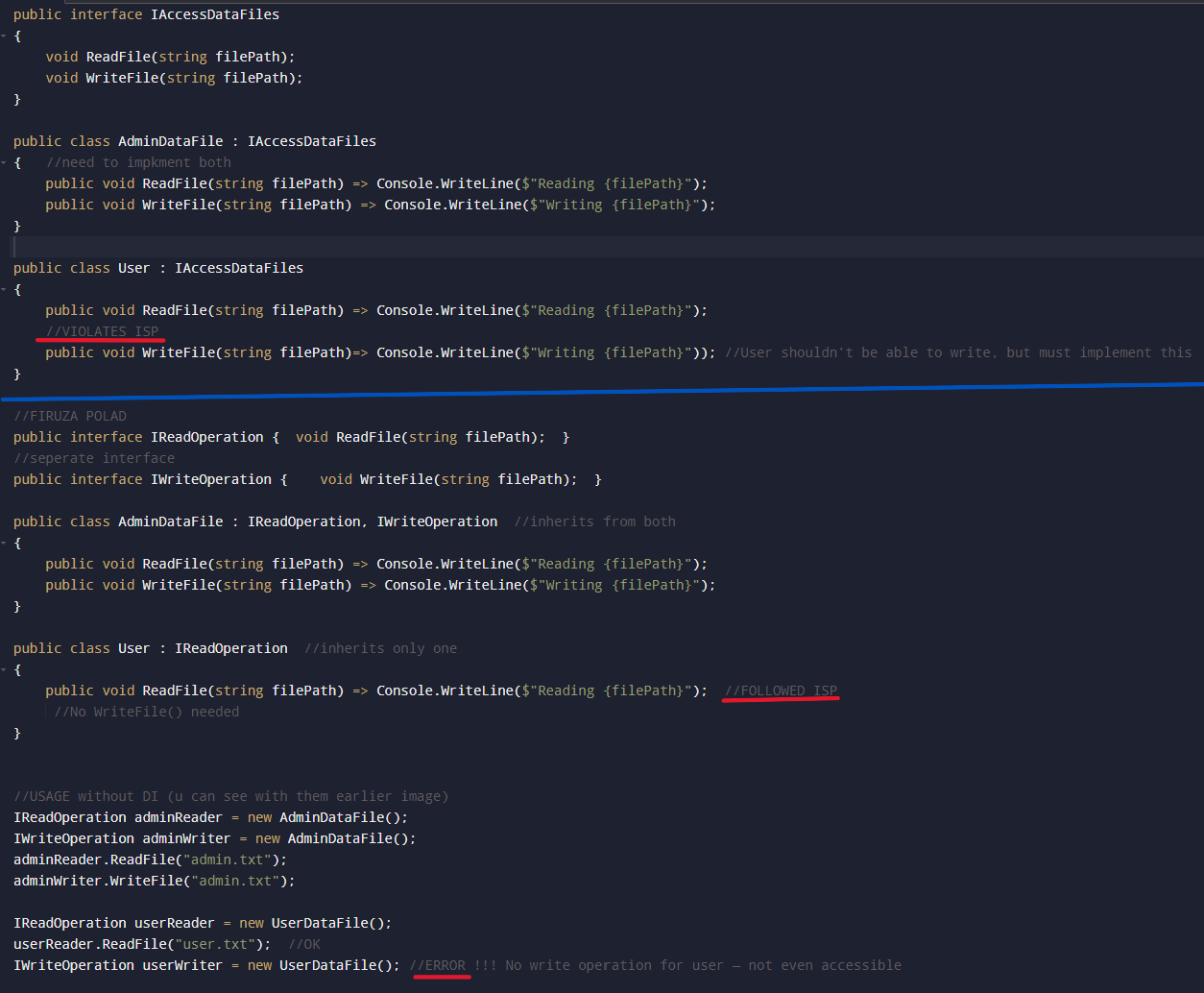
I - Interface Segregation: Don't force implementation of unused methods. Split large interfaces.
D - Dependency Inversion: Depend on abstractions, not concretions.